Dt. Gauri Mehra
Published on February 17, 2026
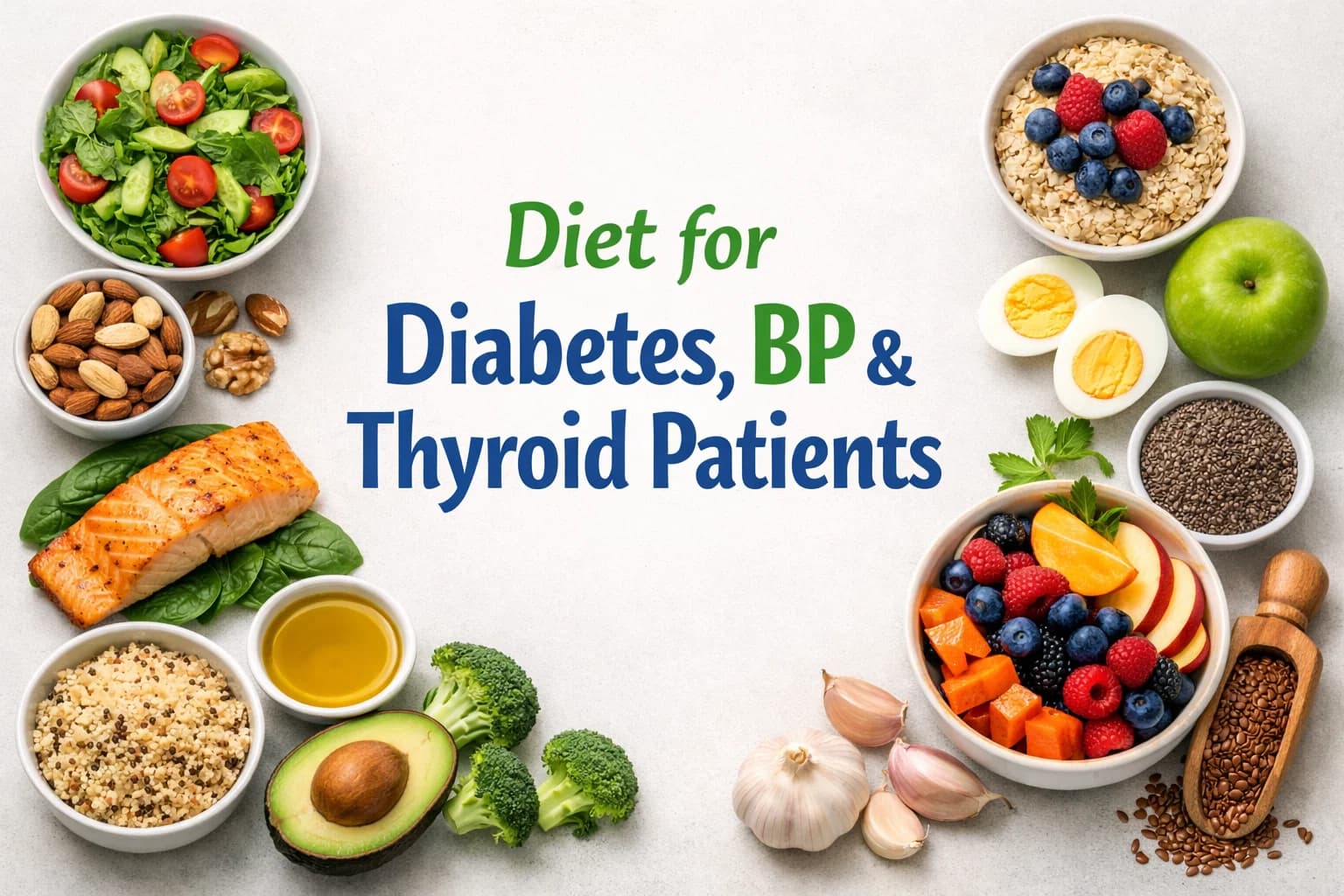
Managing Lifestyle Disorders Through Food: Diet Tips for Diabetes, BP & Thyroid
Managing Lifestyle Disorders
Lifestyle disorders like diabetes, high blood pressure (BP), and thyroid imbalance are becoming increasingly common in India. Sedentary routines, stress, irregular eating habits, and processed foods are major contributors. The good news? Food can be your most powerful medicine.
With the right dietary choices and professional guidance, you can manage these conditions effectively and prevent lifestyle diseases, improving your overall quality of life.
Understanding Lifestyle Disorders
1. Diabetes
Diabetes occurs when blood sugar levels remain consistently high due to insufficient insulin production or insulin resistance. Poor diet, obesity, and lack of exercise are major risk factors. If you're struggling, consult the best doctor for diabetes in Ajmer.
2. High Blood Pressure (Hypertension)
BP increases when the force of blood against artery walls remains high over time. Excess salt intake, stress, and unhealthy fats worsen the condition.
3. Thyroid Disorders
Thyroid imbalance (hypothyroidism or hyperthyroidism) affects metabolism, weight, and energy levels. Nutritional deficiencies and autoimmune factors often play a role. Seeking the best thyroid treatment in Ajmer can help guide your recovery.
Diet Tips for Managing Diabetes
Managing diabetes is all about controlling blood sugar spikes and maintaining stable glucose levels.
✔ Focus on Low Glycemic Index (GI) Foods
Choose whole grains like oats, brown rice, quinoa, and millets instead of refined flour. These release sugar slowly into the bloodstream.
✔ Increase Fiber Intake
Fiber slows down sugar absorption. Add:
- Green leafy vegetables
- Sprouts
- Chia seeds
- Flaxseeds
- Whole pulses
✔ Control Portion Size
Even healthy carbs can raise sugar if consumed excessively. Follow the plate method:
- 50% vegetables
- 25% protein
- 25% whole grains
✔ Avoid
- Sugary beverages
- White bread & maida products
- Fried snacks
- Excess sweets
✔ Include Protein in Every Meal
Protein helps stabilize blood sugar. Include paneer, tofu, dal, eggs, or lean chicken. For personalized plans, you can consult a dietician in Ajmer.
Diet Tips for High Blood Pressure (BP)
Managing BP requires reducing sodium and improving heart-friendly nutrition.
✔ Reduce Salt Intake
Limit daily salt intake to less than 5 grams. Avoid:
- Pickles
- Papad
- Processed snacks
- Packaged soups
✔ Eat Potassium-Rich Foods
Potassium helps balance sodium levels. Include:
- Bananas
- Coconut water
- Spinach
- Sweet potatoes
✔ Choose Healthy Fats
Switch to:
- Mustard oil
- Groundnut oil
- Olive oil (in moderation)
Avoid trans fats and excessive ghee or butter.
✔ Stay Hydrated
Drink 2.5–3 liters of water daily unless medically restricted.
✔ Follow DASH Diet Principles
DASH (Dietary Approaches to Stop Hypertension) emphasizes fruits, vegetables, lean protein, and whole grains. For a balanced Indian diet plan, consider incorporating DASH elements.
Diet Tips for Thyroid Management
Thyroid health is closely linked with iodine, selenium, zinc, and overall gut health.
✔ For Hypothyroidism
- Include iodine sources like iodized salt (in moderation)
- Selenium-rich foods like Brazil nuts and sunflower seeds
- Zinc sources like pumpkin seeds and legumes
✔ Limit Goitrogenic Foods (Raw Form)
Cabbage, broccoli, and cauliflower can interfere with thyroid function when eaten raw in excess. Cook them properly before consumption.
✔ Avoid Highly Processed Foods
Processed foods increase inflammation and may worsen autoimmune thyroid issues.
✔ Maintain Gut Health
Include:
- Curd
- Buttermilk
- Fermented foods
A healthy gut improves thyroid hormone conversion.
General Lifestyle Tips for All Three Conditions
- Eat at Fixed Timings – Irregular meals disturb metabolism.
- Avoid Late-Night Eating – It increases sugar spikes and weight gain.
- Exercise 30–45 Minutes Daily – Walking, yoga, or strength training. Exercise is also great if you want to manage your weight.
- Manage Stress – Meditation and breathing exercises help regulate hormones.
- Sleep 7–8 Hours Daily – Poor sleep worsens BP and sugar levels.
Sample One-Day Balanced Diet Plan
🌅 Morning (Empty Stomach)
- Warm water with soaked methi seeds (for diabetes)
- Or jeera water (for digestion & BP support)
🍳 Breakfast
- Vegetable oats or moong dal chilla
- 1 boiled egg or paneer cubes
- Unsweetened green tea
🍎 Mid-Morning Snack
- 1 fruit (apple/guava)
- Handful of nuts
🍛 Lunch
- 1 bowl dal
- 1 multigrain roti
- Mixed vegetable sabzi
- Salad
- Curd
☕ Evening Snack
- Roasted chana or sprouts
- Herbal tea
🍲 Dinner (Light & Early)
- Vegetable soup
- Grilled paneer/tofu/chicken
- Stir-fried vegetables
Why Professional Diet Guidance Matters
Every patient is different. Age, medical history, medications, lab reports, and lifestyle factors must be considered before planning a diet. Self-dieting or following random internet advice may worsen health.
A structured diet plan designed by a qualified nutrition expert ensures:
- Better blood sugar control
- Stable blood pressure
- Improved thyroid function
- Sustainable weight management (learn more about healthy foods for weight loss)
- Reduced medication dependency (under medical supervision)
Consult Expert Dietitian in Ajmer
If you or your family members are struggling with diabetes, BP, or thyroid issues, professional guidance can make a significant difference. Reach out to the best dietitian near you in Ajmer.
Dt. Gauri Mehra
Morning Hours: 10:00 AM – 2:00 PM
📍 Paras Urology & Multispeciality Hospital
Haribhau Upadhyay Nagar, C-Block, Pushkar Road, Ajmer
Evening Hours: 6:00 PM – 8:00 PM (Prior Appointment Only)
📍 Jeevan Jyoti Hospital
19, 26B, Beawar Rd, Nai Basti, Ramganj, Ajmer
With personalized diet counseling and practical meal planning strategies, Dt. Gauri Mehra helps patients manage lifestyle disorders naturally and effectively.