Dt. Gauri Mehra
Published on September 24, 2026
Gut Health Deep Dives: Simple Ways to Build a Healthier Digestive System
Gut Health Deep Dives: Simple Ways to Build a Healthier Digestive System
Our gut has a bigger role to play when it comes to not just digesting the food we eat, but also in nutrient absorption, immunity, energy levels, and even our overall feeling of well-being. With issues like bloating, constipation, acidity, gas, or irregular bowel movements, faulty digestion can impact our daily life.
The good news is that there is a lot that can be done to help improve our gut health through lifestyle changes.
What Does Gut Health Mean?
Gut health basically refers to the functional state of the gut (also known as the digestive system) and the balance of the gut microbiota.
A good digestive system would be one that can:
- Properly digest food
- Help absorb all the nutrients needed for the body to function
- Keep the bowels moving normally
- Boost immunity
- Be generally resistant to occasional indigestion caused by food we are not comfortable with
What we need to understand is that the digestion process is as unique as we are, so there is no one-size-fits-all diet.
Some Common Gut Health Indicators That You Shouldn't Ignore
It's totally normal to have occasional indigestion, but if you are facing frequent bloating or gas, constipation or loose motions, acidity, sluggish digestion, feeling low after eating, abnormal weight loss with poor eating habits, or any kind of food-related discomfort, it's best to consult a dietitian or a doctor rather than resort to random detoxes or diets.
How Our Daily Practices Can Influence Gut Health
Here are the most common things that we can incorporate into our daily lives to keep our gut happy:
1. Say Yes to Fibre
Fibre not only keeps us satiated for long, it also helps push the food through the intestines to avoid constipation.
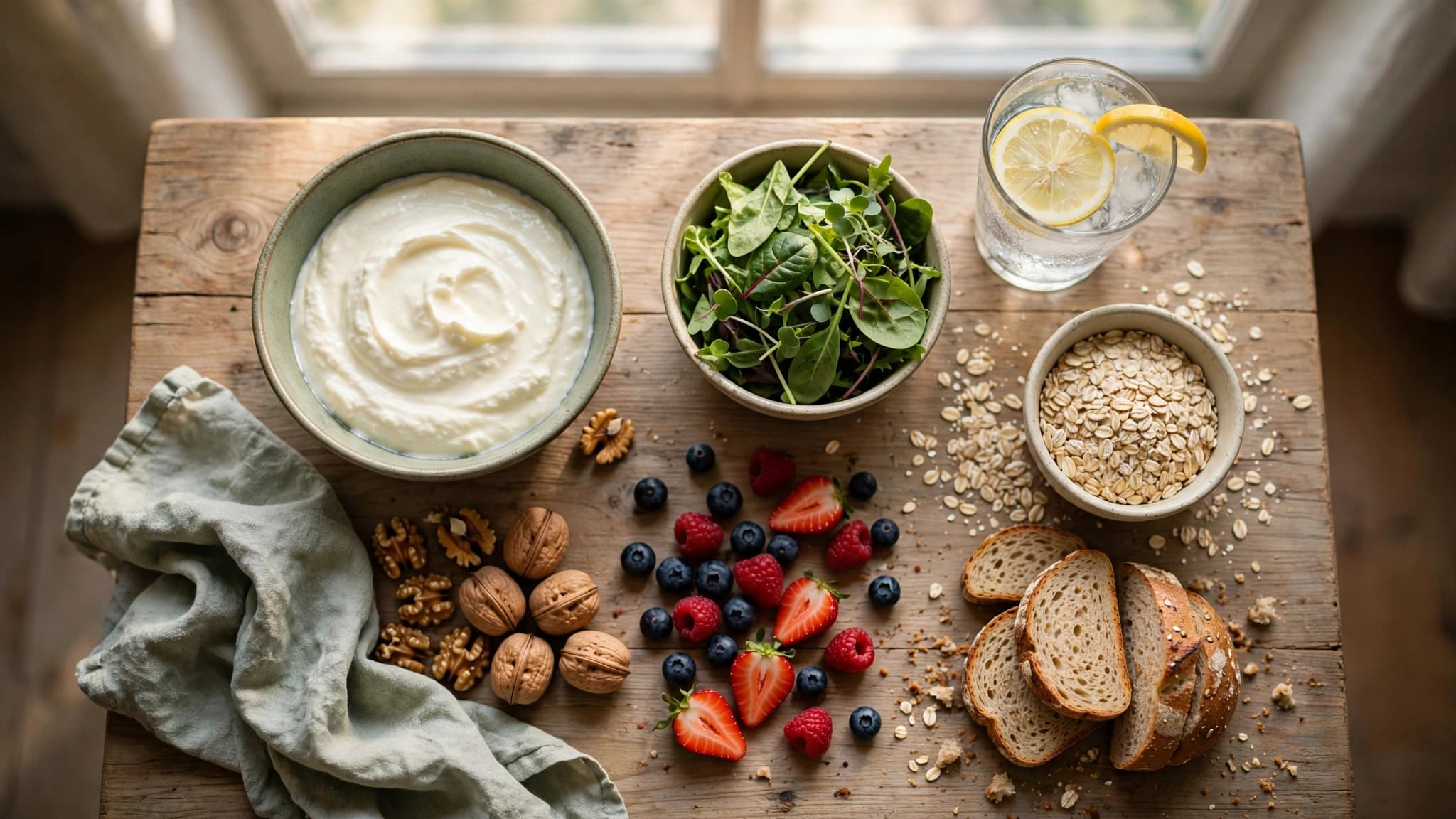
Eat lots of veggies, fruits, whole grains, oats, legumes and nuts to get your daily dose of fibre. But do so gradually and make sure you drink enough water as well, since fibre absorbs water and can cause bloating if eaten in excess.
2. Add Fermented Foods
Another great way to give your gut a healthy boost is to add fermented foods to your diet.
Depending on what your body responds to, you can have curd and other fermented delicacies as a part of your meals to keep your gut microbes happy.
3. Hydration Is Key
Water not only helps the entire body flush out toxins but also keeps the bowel movements smooth and soft. So rather than waiting until you are super thirsty, make sure you drink enough water through the day to keep your body hydrated.
4. No Ultra-Processed Foods as a Habit
Ultra-processed foods are something we tend to gravitate towards a lot, mostly because they are easily available and taste good. But having these as a frequent part of your meals can be harmful in the long run. Of course, there's no need to cut out all your favourite junk, but try to make sure that healthy, minimally processed foods form the core of your diet.
Don't Skip On Good Eating Habits
When it comes to gut health, your eating habits are as important as the food you eat. If you are consistently eating too quickly, not chewing your food well, skipping meals, gorging on heavy meals, or eating close to bedtime, you might be doing more harm than you think.
Stomach Issues and Stress
Think about a time when you had an important meeting or presentation that you were really nervous about. Did you find yourself having indigestion or stomach discomfort just before that meeting? If you answered yes, that's because there's a reason why our gut is also called our "second brain."
Stress and anxiety can affect the gut in different ways for different people. Having good relaxation techniques and an active lifestyle can help keep your digestion in check.
Gut Health and Probiotics – Do You Need Them?
From probiotic powders to supplements, there's a vast variety of products that claim to help with digestion. However, what we need to understand is that probiotics or supplements are not a magic wand that can fix all digestion issues overnight. It actually depends on what kind of digestion problems you have and which probiotics or supplements can help you the most. Rather than randomly popping probiotics and other supplements based on random recommendations online, it's best to get an expert opinion on the matter.
A Simple Gut-Healthy Daily Routine
You don't need to have a complicated diet chart to keep your gut healthy. Just follow these simple routine-based tips to keep your digestion in check:
Wake up and hydrate well, have a healthy breakfast, and fuel your body with the right nutrition during the day. Add plenty of veggies and fruits to your meals along with whole grains, legumes and other healthy foods your body needs.
Keep yourself physically active by taking short walks after meals and avoid extremely heavy meals before you go to bed.
Every day, make sure you get enough sleep, stay hydrated, and have a healthy balanced diet full of whole foods and plenty of water.
When to Seek Professional Advice for Gut or Digestive Issues?
If you're facing persistent digestion issues like constipation or irregular bowel movements, bloating, gas, acidity, heartburn, nausea, vomiting, or if you've noticed any significant weight gain or loss, it's best to seek professional medical help. Only an expert can give you an individualized outlook and help you understand exactly what your body needs to stay healthy.
A personalized approach is always better when it comes to diet and lifestyle. There's no such thing as a one-size-fits-all diet, because we are all different. If you are looking for a dietitian in Ajmer to guide you on your gut health journey, a personal consultation at Gaurnish Health can help.
FAQs About Gut Health
1. What is the best food for gut health?
While there's no one-size-fits-all answer when it comes to the best food for gut health, a well-balanced and diversified diet that consists of a variety of fruits and vegetables, whole grains, legumes, nuts, and seeds, as well as fermented foods, will give your gut all the nourishment it needs.
2. Is curd good for gut health?
Curd is a healthy addition to most diets as it aids in digestion. However, everyone's body responds differently to certain foods.
3. Can drinking more water improve digestion?
Drinking enough water not only keeps us well-hydrated, but it also helps our digestion.
4. Does stress impact digestion?
Stress has a significant impact on our digestion.
5. Should everyone take probiotics?
Probiotics aren't necessary for everyone.
6. Can a healthy diet prevent all digestion issues?
No. There are various causes of digestion problems like food, medications, existing health conditions, etc. Therefore, if you're suffering from chronic indigestion, it's crucial to speak with a specialist to rule out any serious diseases.