Dr. Manish Sharma
Published on June 26, 2026
Managing High Blood Pressure: Causes, Symptoms, and Prevention
Managing High Blood Pressure: Causes, Symptoms, and Prevention
High blood pressure, also known as hypertension, is one of the most common health conditions affecting millions of people worldwide. Often referred to as the "silent killer," hypertension usually develops without noticeable symptoms, yet it can significantly increase the risk of serious health problems such as heart disease, stroke, kidney failure, and vision loss. Understanding the causes, recognizing potential symptoms, and adopting preventive measures can help individuals maintain healthy blood pressure levels and improve overall well-being. For a personalised evaluation, you can book a consultation with our team, or learn more about our approach on our about page.
What is High Blood Pressure?
Blood pressure is the force exerted by blood against the walls of the arteries as the heart pumps it throughout the body. It is measured using two numbers:
- Systolic Pressure: The pressure when the heart beats.
- Diastolic Pressure: The pressure when the heart rests between beats.
A normal blood pressure reading is generally around 120/80 mmHg. When blood pressure consistently remains above normal levels, it is considered hypertension. Regular monitoring, along with guidance from a best general physician in Ajmer, can help you understand where your numbers stand.
Causes of High Blood Pressure
High blood pressure can develop due to various factors. In many cases, there is no single identifiable cause. However, several risk factors can contribute to the condition.
1. Unhealthy Diet
A diet high in salt, saturated fats, and processed foods can increase blood pressure. Excess sodium causes the body to retain water, placing additional strain on blood vessels and the heart. Learn how to build a heart-friendly plate with our balanced Indian diet plan for busy professionals.
2. Lack of Physical Activity
A sedentary lifestyle can contribute to weight gain and poor cardiovascular health, increasing the likelihood of developing hypertension.
3. Obesity and Excess Weight
Carrying excess body weight forces the heart to work harder to pump blood, which can elevate blood pressure over time. Our healthy weight loss guide can help you get started safely.
4. Smoking and Tobacco Use
Nicotine narrows blood vessels and raises blood pressure immediately after use. Long-term smoking damages artery walls and significantly increases cardiovascular risks.
5. Excessive Alcohol Consumption
Drinking alcohol in large amounts can raise blood pressure and interfere with medications designed to control hypertension.
6. Stress
Chronic stress may contribute to temporary spikes in blood pressure. Over time, unhealthy coping habits such as overeating, smoking, or excessive alcohol consumption can further worsen the condition. Explore our mental health resources for effective stress management strategies.
7. Family History and Genetics
Individuals with a family history of hypertension are more likely to develop high blood pressure themselves.
8. Underlying Medical Conditions
Certain health conditions, including diabetes, kidney disease, sleep apnea, and thyroid disorders, can increase the risk of hypertension. If you manage diabetes alongside high blood pressure, our sugar specialist doctor in Ajmer can help coordinate your care.
Symptoms of High Blood Pressure
One of the biggest challenges with hypertension is that it often shows no obvious symptoms. Many people may have high blood pressure for years without realizing it.
However, when blood pressure becomes severely elevated, some individuals may experience:
- Persistent headaches
- Dizziness
- Shortness of breath
- Chest pain
- Blurred vision
- Fatigue
- Irregular heartbeat
- Nosebleeds (in severe cases)
Since symptoms may not appear until complications develop, regular blood pressure monitoring is essential for early detection and management. If you notice sudden dizziness or unusual symptoms, read our guide on why you feel dizzy suddenly and learn how to understand your body's early warning signals.
Health Risks Associated with Uncontrolled Hypertension
If left untreated, high blood pressure can damage various organs and lead to serious complications, including:
Heart Disease
Hypertension can cause the heart to work harder, increasing the risk of heart attacks, heart failure, and coronary artery disease.
Stroke
High blood pressure can weaken or damage blood vessels in the brain, increasing the likelihood of stroke.
Kidney Damage
The kidneys rely on healthy blood vessels to function properly. Hypertension can impair kidney function and lead to chronic kidney disease.
Vision Problems
Elevated blood pressure can damage the delicate blood vessels in the eyes, potentially causing vision loss.
Cognitive Decline
Long-term hypertension has been linked to memory problems and an increased risk of dementia.
Prevention and Management of High Blood Pressure
The good news is that high blood pressure can often be prevented or controlled through healthy lifestyle choices.
Maintain a Healthy Diet
Focus on a balanced diet rich in:
- Fruits and vegetables
- Whole grains
- Lean proteins
- Low-fat dairy products
- Nuts and seeds
Reducing salt intake is particularly important. Avoid processed foods that contain hidden sodium. Our guide on 10 healthy eating habits everyone should follow can help you make sustainable changes.
Exercise Regularly
Aim for at least 150 minutes of moderate physical activity per week. Activities such as walking, cycling, swimming, or jogging can help improve heart health and lower blood pressure.
Maintain a Healthy Weight
Even a modest weight loss can have a significant positive impact on blood pressure levels. Read more in our guide to losing belly fat naturally.
Quit Smoking
Stopping tobacco use improves blood vessel function and reduces the risk of heart disease and stroke.
Limit Alcohol Consumption
Moderate alcohol intake can help prevent unnecessary increases in blood pressure.
Manage Stress Effectively
Practicing relaxation techniques such as meditation, yoga, deep breathing exercises, and mindfulness can support healthy blood pressure management.
Monitor Blood Pressure Regularly
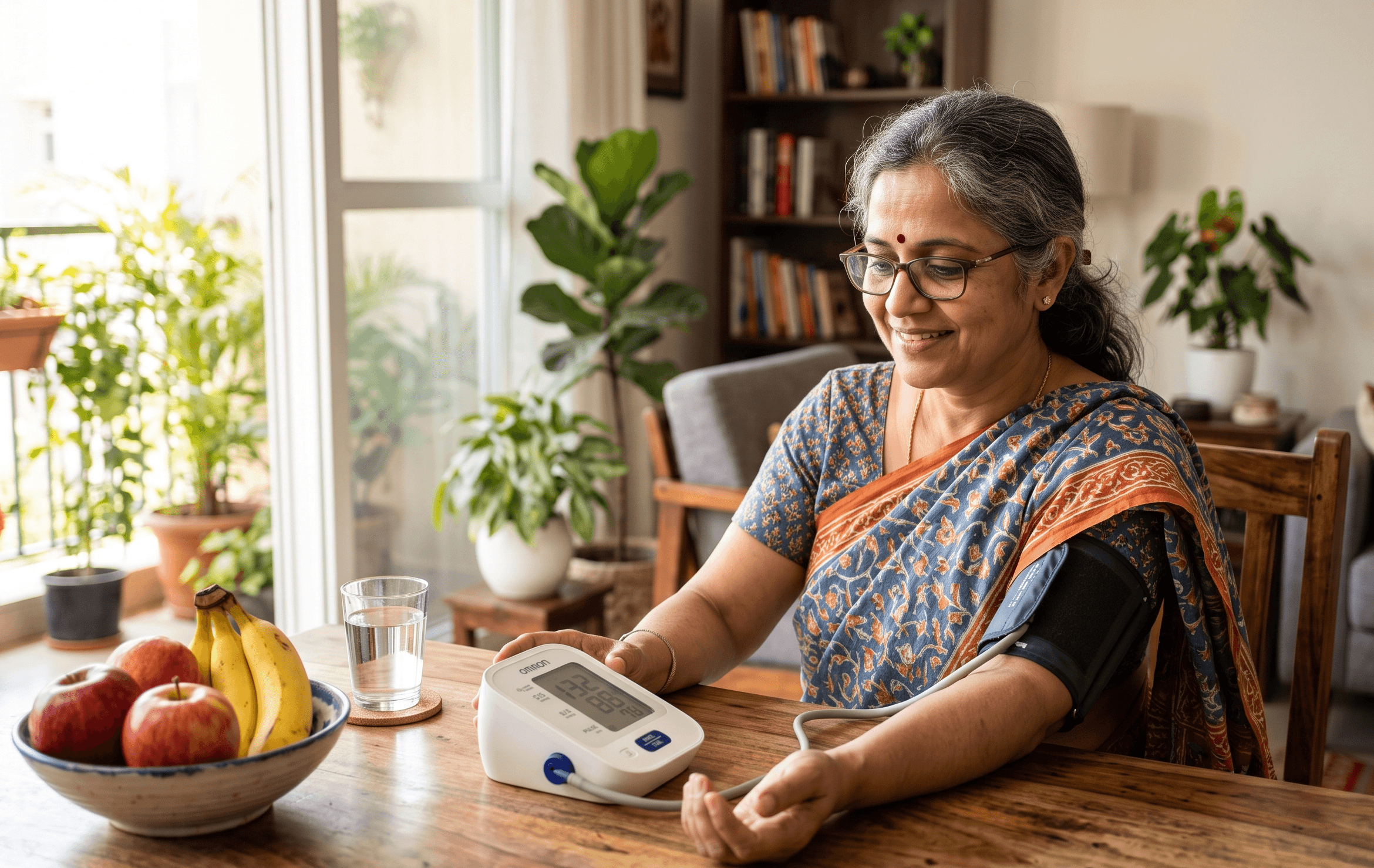
Routine blood pressure checks can help detect problems early and allow timely intervention. For a structured approach, see our daily habits to control high BP and sugar levels.
Follow Medical Advice
If prescribed blood pressure medications, take them exactly as directed by your healthcare provider. Never stop medication without consulting a doctor. Our chronic disease management team can help you stay on track with a coordinated care plan.
Conclusion
High blood pressure is a common yet potentially dangerous condition that often develops without warning signs. Understanding its causes, recognizing possible symptoms, and adopting healthy lifestyle habits are essential steps toward prevention and effective management. Regular health check-ups, a balanced diet, physical activity, stress management, and adherence to medical advice can significantly reduce the risk of complications.
By taking proactive measures today, individuals can protect their heart health and enjoy a healthier, longer life. At GaurNish Health, our general physicians and dietitians work together to help you manage blood pressure safely and effectively. Book a consultation today, or explore all our services and reach out via our contact page for personalised support.