Dr. Manish Sharma
Published on July 16, 2026
Why Do Viral Infections Increase During Monsoon?
Why Do Viral Infections Increase During Monsoon?
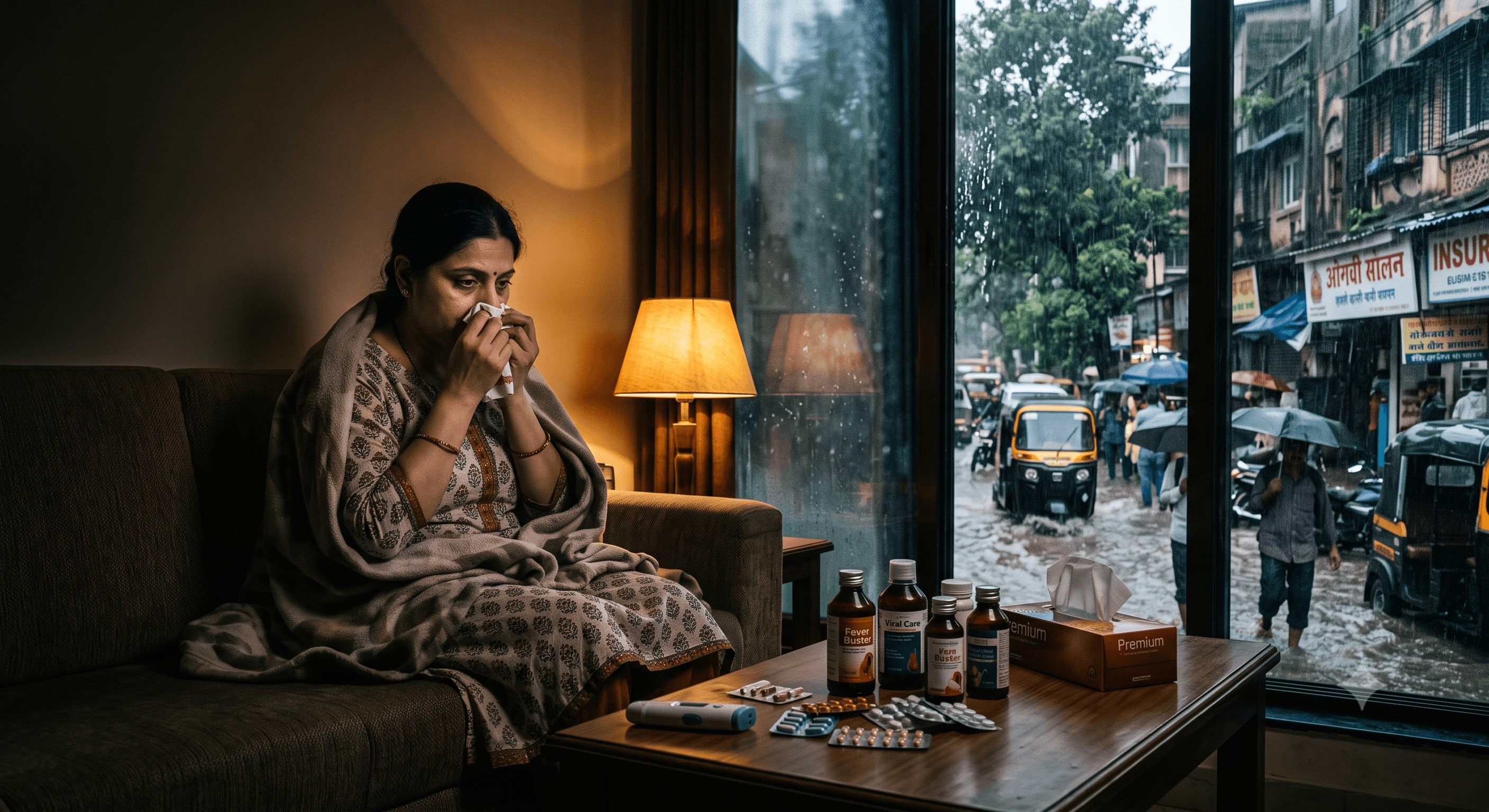
The monsoon season brings much-needed relief from the scorching summer heat, filling rivers, lakes, and reservoirs while transforming the landscape into lush greenery. However, along with pleasant weather, the rainy season also creates favorable conditions for the spread of viral infections. Every year, hospitals and clinics witness a significant increase in patients suffering from fever, cough, sore throat, stomach infections, and other viral illnesses during the monsoon.
Many people wonder why viral infections become so common during this season. The answer lies in a combination of environmental changes, increased humidity, contaminated water, weakened immunity, and the rapid spread of viruses in crowded places. Understanding these factors can help individuals take preventive measures and stay healthy throughout the rainy season. For a personalised evaluation, you can book a consultation with our team, or learn more about our approach on our about page.
How Monsoon Creates the Perfect Environment for Viruses
The rainy season changes the environment in several ways that support the growth and transmission of viruses. Increased humidity, fluctuating temperatures, and stagnant water provide ideal conditions for microorganisms to survive and spread.
Humidity allows certain viruses to remain active for longer periods on surfaces and in the air. Frequent temperature changes caused by moving between cool indoor environments and humid outdoor weather can also make the body more vulnerable to infections. During monsoon, people often spend more time indoors in crowded places such as offices, schools, shopping centers, and public transport, making it easier for viruses to spread from one person to another.
Common Viral Infections During Monsoon
One of the most common illnesses during the rainy season is the common cold. It usually begins with sneezing, a runny nose, sore throat, mild fever, and cough. While the common cold is generally mild, it spreads quickly through droplets released when an infected person coughs or sneezes.
Influenza, commonly known as the flu, is another viral infection that becomes more prevalent during monsoon. Flu symptoms are usually more severe than a common cold and may include high fever, body aches, headache, fatigue, and persistent cough. Older adults, young children, pregnant women, and people with chronic diseases are more likely to experience complications.
Viral fever is also frequently reported during the rainy season. It often presents with sudden fever, weakness, muscle pain, headache, and general discomfort. Most viral fevers resolve within a few days with adequate rest and hydration, but medical evaluation is necessary if symptoms become severe or persist.
Gastrointestinal viral infections are another concern during monsoon due to contaminated food and drinking water. Symptoms may include vomiting, diarrhea, abdominal pain, nausea, and dehydration. Proper food hygiene plays a major role in preventing these infections.
Why Immunity May Become Weaker During Monsoon
Seasonal changes can affect the body's natural defense system. During the rainy season, reduced sunlight exposure may influence vitamin D levels, which play a role in supporting immune health. Many people also experience irregular eating habits, reduced physical activity, poor sleep, and increased stress, all of which can contribute to lower immunity.
Consumption of unhygienic street food, contaminated water, and improperly stored food further increases the risk of infection. When the immune system is not functioning optimally, viruses can infect the body more easily. Building stronger immunity through diet is one of the best defenses — explore our guide on foods that boost immunity and improve overall health.
The Role of Poor Hygiene
Good hygiene is one of the most effective ways to prevent viral infections, yet it is often overlooked. Rainwater mixed with sewage and stagnant water may contaminate public spaces, increasing exposure to harmful microorganisms.
Touching contaminated surfaces and then touching the eyes, nose, or mouth allows viruses to enter the body. Inadequate handwashing, sharing personal items, and poor sanitation significantly contribute to the spread of infections during monsoon.
Maintaining proper hygiene at home, workplaces, and schools is essential for reducing the transmission of viral illnesses. Our guide on 10 healthy eating habits everyone should follow also covers simple daily habits that support overall wellness during the season.
Water Contamination and Viral Diseases
Heavy rainfall can contaminate drinking water supplies with viruses and other disease-causing organisms. Waterborne viral infections become more common when people consume untreated or contaminated water.
Unsafe food preparation practices also increase the likelihood of infection. Washing fruits and vegetables thoroughly, drinking purified or boiled water, and avoiding uncovered food sold in unhygienic conditions can significantly reduce the risk.
Who Is More Vulnerable?
Although anyone can develop viral infections during monsoon, some groups face a higher risk of complications. Infants and young children have developing immune systems that make them more susceptible to infections — our best child nutrition specialist in Ajmer can guide parents on age-appropriate immunity support. Older adults may have reduced immunity due to aging. Individuals with diabetes, asthma, heart disease, kidney disease, or weakened immune systems are also at greater risk; if you manage diabetes, our sugar specialist doctor in Ajmer can help you stay protected this season.
Pregnant women should be especially cautious because certain viral infections may affect both maternal and fetal health. Timely medical consultation is recommended whenever symptoms appear in high-risk individuals.
How to Protect Yourself During Monsoon
Preventing viral infections starts with maintaining good personal hygiene. Washing hands regularly with soap and water remains one of the simplest yet most effective preventive measures. Alcohol-based hand sanitizers can also be used when soap and water are unavailable.
A healthy, balanced diet rich in fruits, vegetables, whole grains, and protein helps strengthen the immune system. Drinking adequate amounts of clean water supports overall health and prevents dehydration.
Regular exercise, sufficient sleep, and stress management also contribute to better immunity. Avoiding close contact with sick individuals and wearing a mask in crowded places during outbreaks can further reduce the spread of viral infections.
Keeping the home clean, ensuring proper ventilation, and preventing water stagnation around the house help maintain a healthier environment during the rainy season.
When Should You Visit a Doctor?
Many viral infections improve within a few days with supportive care, but certain symptoms should never be ignored. Persistent high fever, difficulty breathing, severe cough, chest pain, repeated vomiting, dehydration, confusion, or symptoms lasting longer than expected require immediate medical attention. If you experience sudden dizziness alongside fever, read our guide on why you feel dizzy suddenly.
Children who become unusually sleepy, refuse fluids, or develop breathing difficulties should be evaluated promptly. Similarly, elderly individuals and patients with chronic illnesses should seek early medical care if they develop fever or flu-like symptoms. Learning to understand your body's early warning signals can help you know when to seek help.
Early diagnosis helps identify whether the illness is caused by a virus or another condition such as a bacterial infection, dengue, malaria, or typhoid, which may require different treatment. Consult a best general physician in Ajmer for timely evaluation, or reach our chronic disease management team if you have an existing condition.
The Importance of Early Diagnosis
Not every fever during monsoon is a simple viral infection. Several diseases with similar symptoms circulate during the rainy season, making proper medical evaluation essential. Healthcare professionals may recommend blood tests or other investigations to determine the exact cause of illness.
Self-medication, especially unnecessary use of antibiotics, should be avoided because antibiotics do not treat viral infections. Taking medications without medical advice may delay appropriate treatment and contribute to antibiotic resistance.
🏁 Conclusion
Monsoon is a beautiful season, but it also increases the risk of viral infections due to higher humidity, contaminated water, crowded indoor environments, and seasonal changes that affect immunity. Common illnesses such as viral fever, influenza, the common cold, and stomach infections become more frequent during this time.
Fortunately, most viral infections can be prevented through good hygiene, safe drinking water, nutritious food, adequate rest, and timely medical care. Recognizing symptoms early and seeking professional healthcare when needed can help prevent complications and ensure a quicker recovery.
By following healthy lifestyle habits and taking simple preventive measures, you can enjoy the monsoon season while protecting yourself and your family from seasonal viral infections. For expert care, you can book a consultation with our team of physicians, or explore all our services and reach out via our contact page for personalised support.